Understanding the New Medical Guidelines for PMOS: Polyendocrine Metabolic Ovarian Syndrome.
For decades, symptoms such as irregular cycles, sudden weight changes, stubborn skin breakouts, and fertility challenges have often been attributed to polycystic ovary syndrome (PCOS).
However, a historic global evolution is currently unfolding. Backed by extensive research and over 50 leading international medical and patient organisations, including the American Society for Reproductive Medicine (ASRM) and the Endocrine Society, experts have officially updated the name of this condition to PMOS: Polyendocrine Metabolic Ovarian Syndrome.
At Dis-Chem Gold, we believe that understanding your biology is the first step toward optimal wellbeing. This name change represents a meaningful step forward in how we can help support this complex condition.

Moving beyond the cyst myth
The historical label PCOS frequently creates misconceptions. By isolating cysts and ovaries, the old acronym reduced a multi-system health condition down to a single organ. Clinical data published in The Lancet confirms that there is no actual increase in abnormal, structural cysts.
In everyday practice, the old name caused major inaccuracies for the following reasons:
- They are not abnormal structural cysts: The fluid-filled sacs seen on a pelvic ultrasound are natural, immature follicles (unreleased eggs) that didn’t fully mature due to interrupted hormonal signalling. They are not harmful.
- The condition affects the whole body: Globally, PMOS impacts 1 in 8 women, equating to more than 170 million individuals worldwide. Yet, the World Health Organisation (WHO) estimates that up to 70% of affected individuals remain undiagnosed because the previous focus was too narrow.

Breaking down the PMOS acronym
The updated title is designed to explicitly point to the underlying biological mechanisms taking place within the body:
- Polyendocrine: Poly means multiple, and endocrine refers to your hormone system. This highlights that the condition involves multiple hormone pathways, including reproductive hormones and insulin, rather than affecting only the ovaries.
- Metabolic: This is a vital addition. Insulin resistance affects approximately 85% of individuals with PMOS, including up to 75% of those with a healthy body weight. By embedding the word metabolic directly into the title, the focus correctly shifts to how the body processes energy and regulates blood glucose.
- Ovarian: This preserves the important connection to the ovaries, acknowledging disruptions in ovulation, menstrual cycle regulation, and fertility, but without the misleading implication that the condition is defined by structural ovarian cysts.

What the shift means for your care
It is helpful to view this transition as updating the label on a familiar blueprint. The underlying biology has not changed, only the accuracy of the language we use to define it. A three-year global transition period is currently underway to implement the name fully across healthcare systems by 2028.
Medical professionals continue to rely on standard clinical benchmarks to evaluate your well-being. The core approaches to managing your symptoms remain focused on an intentional combination of expert medical guidance, targeted nutritional support, and sustainable lifestyle adaptations.

Supporting whole-body metabolic function
Because PMOS is recognised as a whole-body endocrine and metabolic condition, supporting it involves managing daily habits from a holistic perspective that address both hormonal and metabolic health:
- Prioritise glycaemic balance: Because insulin regulation is central to PMOS, incorporating foods that support stable blood glucose levels is an excellent step. Focus on whole, fibre-rich vegetables, lean proteins, healthy fats, and minimally processed carbohydrates.
- Maintain consistent movement: Regular physical activity is one of the most effective ways to support the body’s natural insulin sensitivity, helping muscles utilise glucose more effectively for energy while supporting overall metabolic health.
- Consider targeted micronutrient support: Certain nutrients can help support metabolic and hormonal pathways. While individual needs may vary, looking into specialised options, such as omega-3 fatty acids, key minerals and vitamins, or targeted supplements (e.g., berberine), can be a beneficial addition to your daily wellness routine.

Expert guidance at your local pharmacy
Expert guidance at your local pharmacy
Navigating hormonal and metabolic health can feel overwhelming, but you do not have to piece the puzzle together alone. Shifting the conversation to PMOS removes historical stigma, replacing it with scientific clarity and actionable progress.
Because every individual’s biological makeup is unique, tailored advice is essential. The Dis-Chem Gold range is developed to offer sophisticated, scientifically considered wellness options to support your daily rhythm.
Not sure which nutrients fit your specific health profile? Chat with a trusted Dis-Chem pharmacist for expert guidance on building a targeted supplement routine that complements your lifestyle.

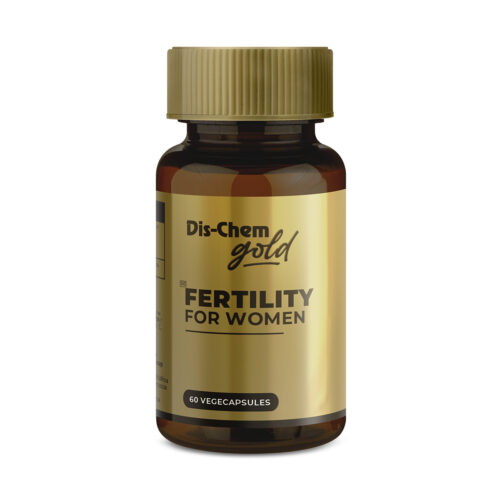
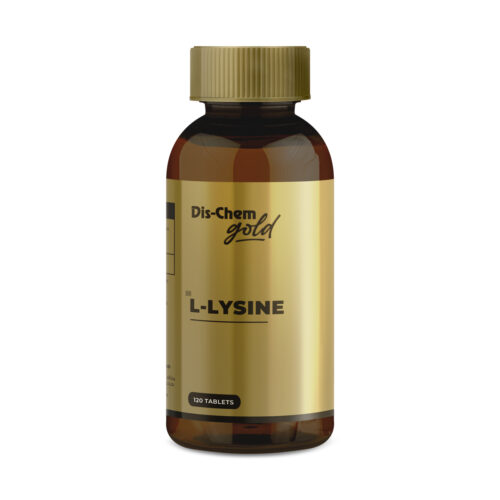
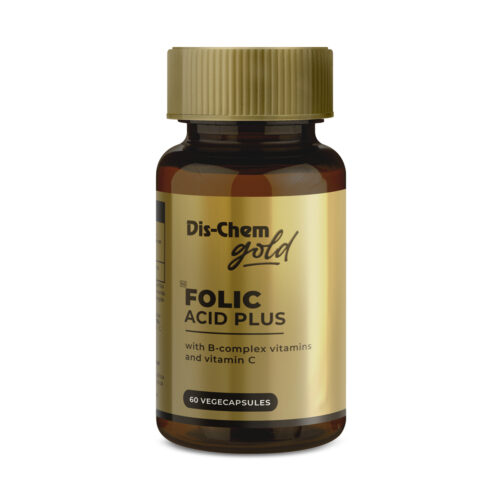
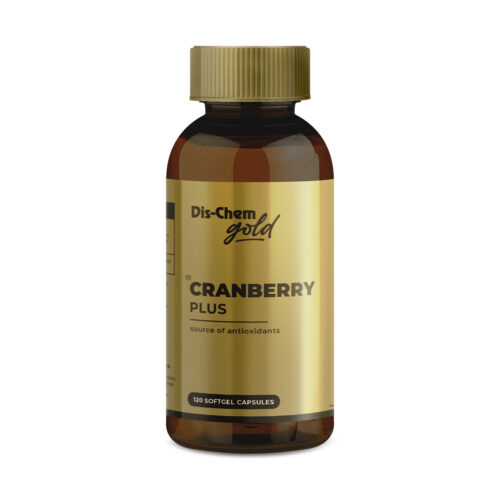
Discover our women’s health selection in-store or online at dischemgold.co.za.
This content is for general information only and is not medical advice. Speak to your healthcare provider or a Dis-Chem pharmacist before starting any supplement. For references and legals contact: info@dischemgold.co.za.